
Views: 259 Author: Site Editor Publish Time: 2026-01-08 Origin: Site


Cost-Effective Interactivity: How Infrared Pen Technology Lowers the Barrier
Comparing Infrared Pen Solutions with Other Input Technologies
Strategic Advantages for Organizations Seeking Scalable Interaction
In the rapid evolution of interactive technology, attention often gravitates toward the newest innovations while overlooking tools that quietly sustain accessibility, affordability, and reliability. Among these understated contributors is the Infrared Pen, a technology that has consistently delivered practical value across educational, professional, and institutional environments. While more complex input systems dominate marketing narratives, IR-based interaction continues to solve a very specific problem: enabling interactive digital experiences without the cost, complexity, or fragility of high-end hardware.
This article explores why the Infrared Pen remains an essential component of cost-effective interactive solutions. By examining how IR pens function within modern Touchscreen Devices, professional workflows, and scalable deployments, we uncover why this seemingly simple tool continues to play a decisive role in interactive technology ecosystems.
Despite the widespread adoption of touch-native displays, the Infrared Pen remains uniquely positioned to support interactive experiences where cost control and compatibility are critical. Its enduring relevance lies in its ability to transform non-touch surfaces into interactive platforms, bypassing the need for expensive capacitive or embedded touch layers.
Unlike integrated touchscreens, IR-based interaction relies on external sensing rather than built-in display hardware. This distinction allows organizations to extend the lifespan of existing displays while still achieving functional interactivity. In classrooms, training rooms, and presentation spaces, the Infrared Pen enables engagement without forcing a complete hardware overhaul. This is especially valuable where budgets prioritize scale over premium specifications.
Another often-overlooked factor is flexibility. Because IR pens interact through infrared signaling rather than direct electrical contact, they are broadly compatible with different display types and operating systems. This universality makes them particularly attractive for environments that rely on mixed hardware ecosystems. The result is a solution that aligns with real-world constraints rather than idealized technology stacks.
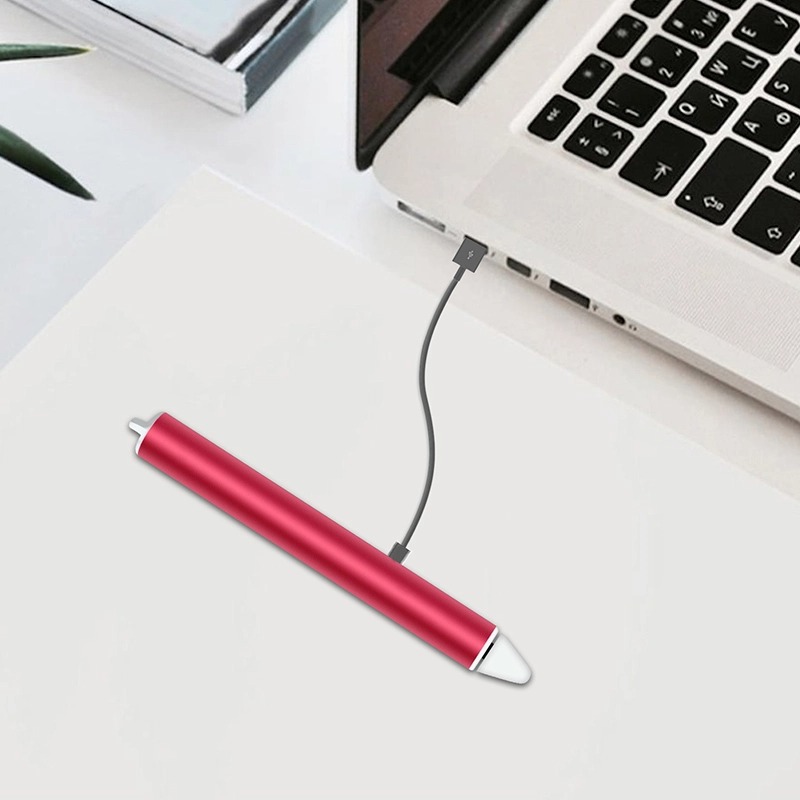
Affordability is not merely about upfront cost; it encompasses installation, maintenance, and replacement over time. The Infrared Pen excels across all three dimensions. By eliminating the need for specialized touch panels, organizations can deploy interactive functionality using standard displays and simple sensor arrays. This dramatically reduces initial investment without compromising usability.
Maintenance costs also remain low due to the minimalistic design of IR pens. Many models feature Rechargeable power systems, reducing ongoing battery expenses and minimizing downtime. Because the technology does not rely on fragile surface coatings, wear and tear on displays is significantly reduced, further extending system longevity.
The economic advantage becomes even clearer when scaling deployments. Whether equipping multiple classrooms or outfitting large training facilities, IR-based solutions maintain consistent performance without proportional cost increases. This scalability positions the Infrared Pen as a strategic asset rather than a temporary workaround.
At the heart of the Infrared Pen lies a straightforward but effective operating principle: emitting an infrared signal that is tracked by external sensors. This simplicity is a strength, not a limitation. Fewer components mean fewer failure points, resulting in dependable performance even in demanding environments.
Unlike advanced touch technologies that require complex calibration or proprietary drivers, IR pens often function as Wireless input devices that integrate seamlessly with existing systems. Their plug-and-play nature reduces technical overhead and shortens deployment timelines. This is particularly beneficial in professional settings where downtime translates directly into lost productivity.
Precision is another area where IR pens continue to improve. Modern designs incorporate refined optics and Precision Tip engineering, allowing for accurate input suitable for annotation, diagramming, and detailed instruction. While they may not replicate every nuance of advanced stylus systems, they deliver consistent accuracy where it matters most.
The true value of the Infrared Pen becomes evident when examining its performance in real-world scenarios. In education, IR pens empower instructors to interact dynamically with content, annotate materials in real time, and encourage student participation—without requiring specialized interactive displays.
In professional environments, particularly training and briefing contexts, IR-based systems support collaborative workflows. Presenters can highlight data, draw attention to critical details, and navigate content fluidly. The inclusion of features such as Pressure Sensitivity—even at basic levels—enhances expressiveness without complicating usage.
Below is a comparison illustrating where IR pen solutions provide the strongest advantages:
| Application Scenario | Key Requirement | Why Infrared Pen Works |
|---|---|---|
| Classrooms | Low cost, durability | Converts standard displays into interactive surfaces |
| Training Rooms | Easy setup | Minimal calibration and Wireless operation |
| Public Institutions | Scalability | Affordable deployment across multiple locations |
| Professional Presentations | Precision | Accurate Precision Tip input for annotations |
These examples demonstrate that IR pens are not niche tools but adaptable solutions aligned with practical needs.
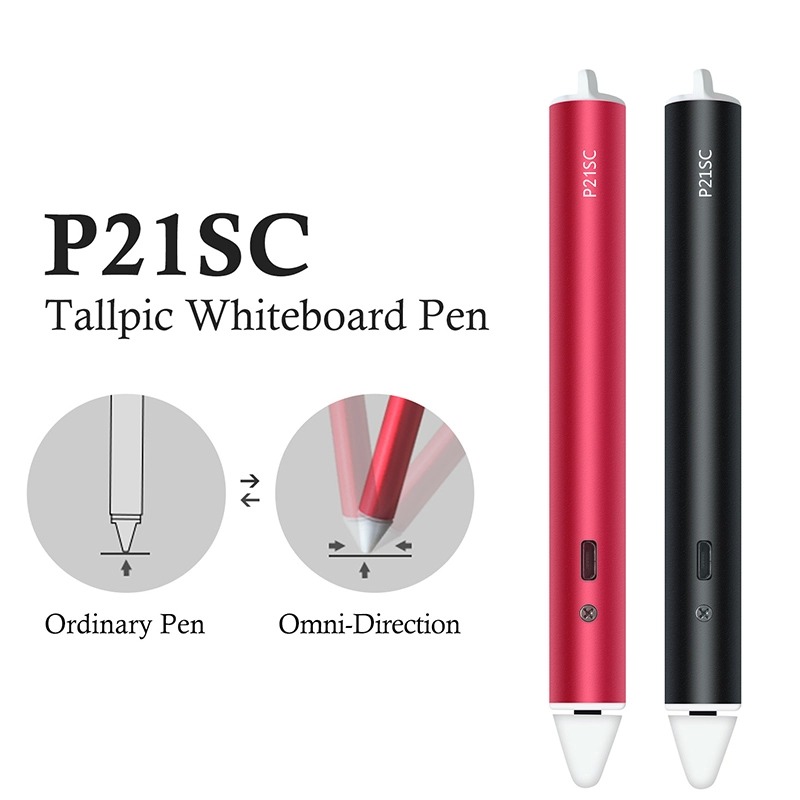
When evaluated against capacitive styluses or active digital pens, the Infrared Pen occupies a distinct strategic position. Advanced styluses often require proprietary hardware, software integration, and specific display technologies. While they excel in creative or design-focused applications, they introduce cost and compatibility barriers.
In contrast, IR pens prioritize accessibility and adaptability. They function across a wide range of Touchscreen Devices and non-touch displays alike. This cross-compatibility reduces vendor lock-in and future-proofs investments. Organizations are free to upgrade displays independently of their input systems.
Another important distinction is operational resilience. IR pens are less sensitive to environmental factors such as glove use, screen surface wear, or display aging. This reliability makes them especially suitable for high-traffic or shared-use environments where consistency outweighs advanced feature sets.
From a strategic perspective, the Infrared Pen aligns with long-term planning rather than short-term trends. Its value proposition centers on maximizing existing assets while enabling interactive functionality that can grow with organizational needs. This is particularly relevant for institutions balancing innovation with fiscal responsibility.
For decision-makers, the appeal lies in predictability. IR-based systems offer stable performance, manageable costs, and straightforward training requirements. Even users without technical backgrounds can adapt quickly, ensuring high adoption rates. In Professional settings, this ease of use translates into immediate productivity gains.
Moreover, the modular nature of IR solutions allows organizations to upgrade components incrementally. Sensors, pens, and displays can be replaced independently, reducing waste and avoiding full system replacements. This modularity reinforces the Infrared Pen as a sustainable choice in both economic and operational terms.
The Infrared Pen may not command headlines, but its enduring relevance speaks volumes about its practical value. By delivering reliable interactivity at a fraction of the cost of integrated touch solutions, it continues to empower education, professional collaboration, and large-scale deployments. Its simplicity, adaptability, and affordability address real-world challenges that advanced technologies often overlook.
In a landscape driven by rapid innovation, the IR pen stands as a reminder that effective solutions are not always the most complex. Instead, they are the ones that balance functionality, cost, and longevity. As interactive technology continues to evolve, the Infrared Pen remains an unsung hero—quietly enabling engagement where it matters most.
Q1: Is an Infrared Pen still relevant with modern touchscreen technology?
Yes. The Infrared Pen remains highly relevant because it enables interactivity on standard displays and mixed hardware environments, offering cost-effective alternatives to integrated touchscreens.
Q2: How does an Infrared Pen differ from an active stylus?
An IR pen relies on infrared signaling detected by external sensors, while active styluses depend on proprietary display technology. IR solutions prioritize compatibility and affordability.
Q3: Are Infrared Pens suitable for professional use?
Absolutely. Many Professional environments value the reliability, ease of deployment, and sufficient precision provided by IR pens for presentations and training.
Q4: Do Infrared Pens support wireless operation?
Most modern IR pens are Wireless and often Rechargeable, reducing maintenance requirements and improving usability.
Q5: What is the main advantage of choosing an Infrared Pen solution?
The primary advantage is cost-effective scalability—organizations can achieve interactive functionality without replacing existing display infrastructure.


